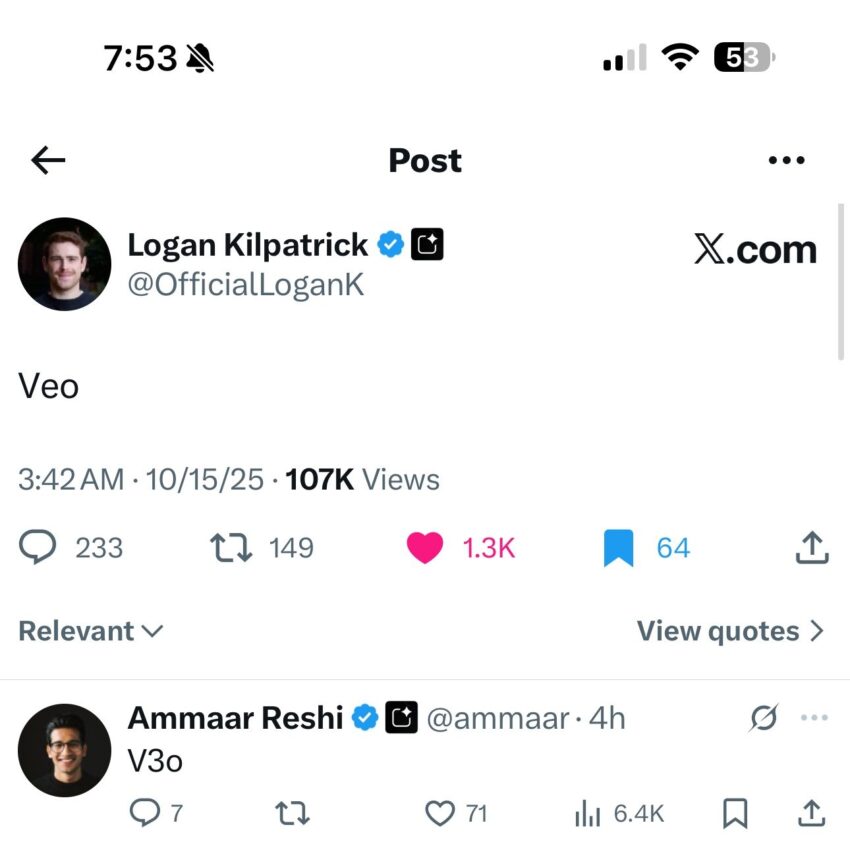
Just a short while ago, discussions about “Veo 3.1” were mostly speculation. That’s all changed. The next iteration of Google’s powerful AI video generator, Google Veo 3.1, has officially started to appear, moving from rumor to reality. While Google has been quiet on an official announcement, the new model is already making its debut on third-party platforms.
Here’s everything we know about this new update.
What We Know About Veo 3.1
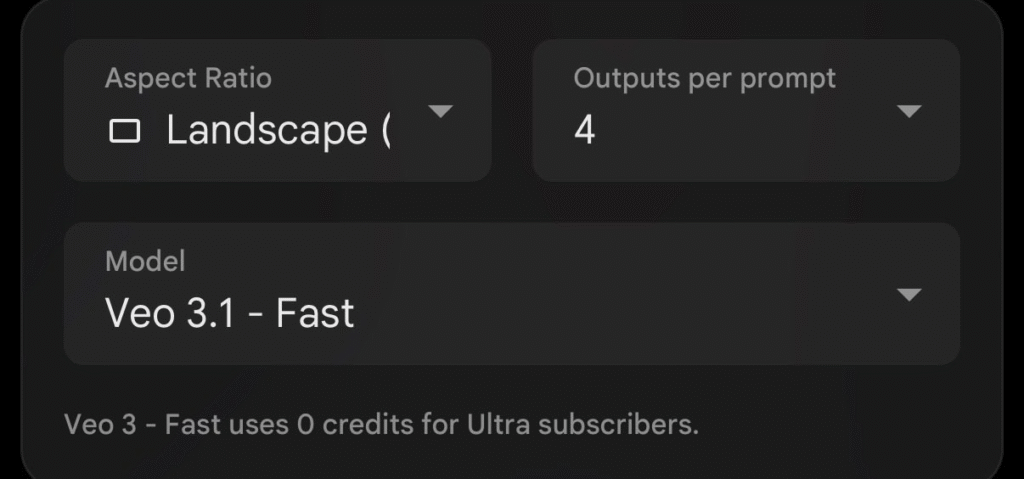
According to new information, Google is rolling out two versions of the updated model, following the pattern of its predecessor:
- veo-3.1-generate-preview: This is likely the main, high-quality version of the new model.
- veo-3.1-fast-generate-preview: This version is expected to be a speed-optimized model for users who need quicker video generation.
This strategy allows Google to offer both top-tier quality and faster turnaround times, catering to different creative needs.
Google's new text-to-video AI models, Veo 3.1 and Veo 3.1 Fast, are now live for US users.
— NearExplains AI (@nearexplains) October 15, 2025
You can access both the standard and the faster version on the Google Flow platform. pic.twitter.com/B15anNExKS
Where Can You Try Veo 3.1?
In a surprise move, the model is already becoming available to the public through other platforms. The creative platform Flow (flowith.ai) has announced that it is the “FIRST platform with veo 3.1 on earth,” allowing users to test Google’s newest video model and even compare it side-by-side with competitors like Sora 2.
This suggests that while Google’s own apps like Gemini may not have it yet, access is beginning to open up through its partners and developer ecosystem.
Expected Capabilities of Google Veo 3.1
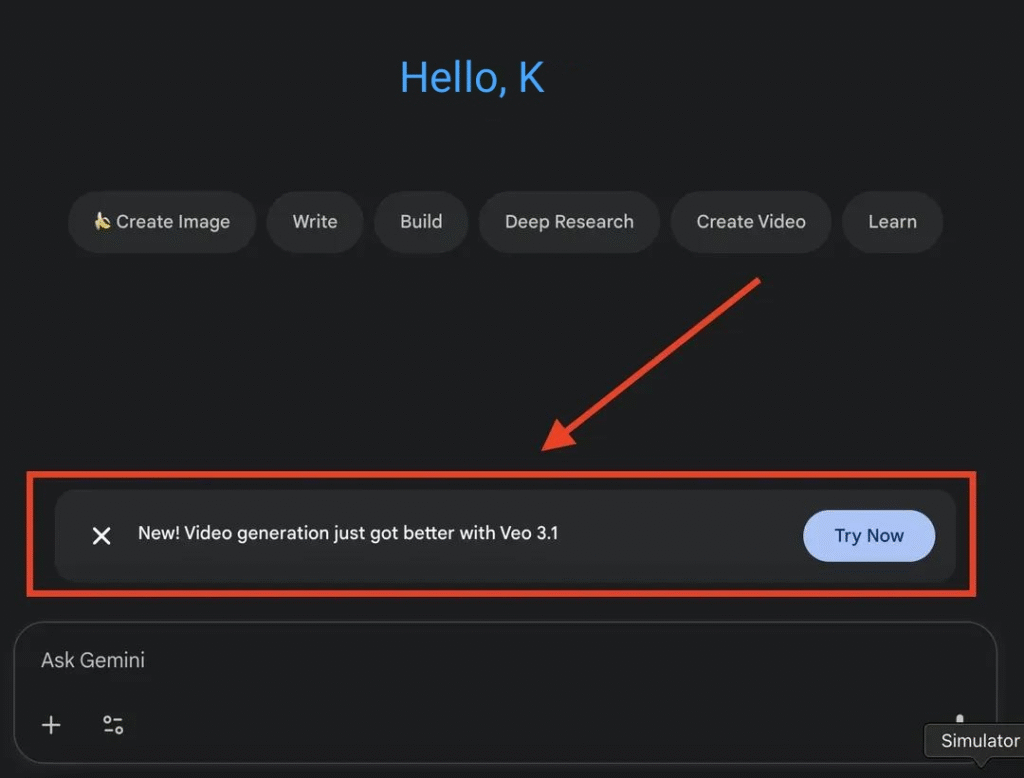
While Google hasn’t released a detailed official blog post about 3.1 yet, it’s expected to build upon the powerful features of its predecessor. Users can likely expect:
- High-Quality Video: Generation of high-definition video clips (720p or 1080p) from simple text or image prompts.
- Synchronized Audio: A key feature of Veo is its ability to create video with matching audio—including dialogue, sound effects, and ambient noise—all at once.
- Cinematic Quality: Videos are generated at a standard 24 frames per second (fps), giving them a professional, movie-like feel.
Safety and Identification Remain Key
As with previous versions, videos generated by Veo 3.1 are expected to be watermarked with SynthID, Google’s invisible watermarking technology. This helps ensure transparency by identifying the content as AI-generated. All outputs will also likely pass through Google’s rigorous safety filters.
The Bottom Line
The bottom line has shifted: Google Veo 3.1 is no longer a rumor. It’s a real, tangible update that is beginning to roll out. While we await an official, detailed announcement from Google, creators can already get their hands on this next-generation AI video tool through platforms like Flow.
🔗Useful Links